
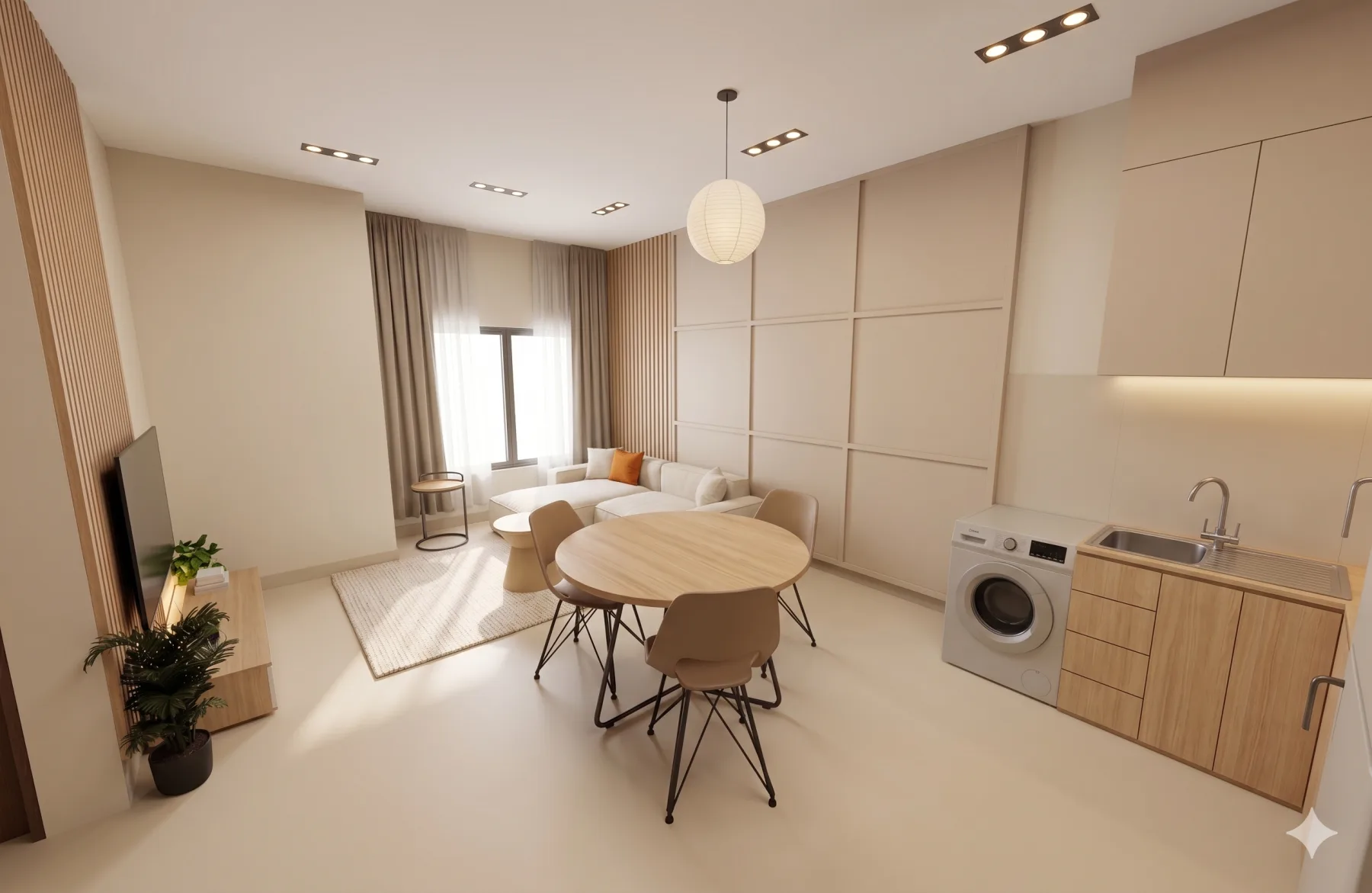
Collect the source information first
A dimensioned plan or drawing set, reference images, material direction and a list of required views give a visualisation brief a dependable starting point. If a drawing is still conceptual, label it as such so the certainty of the image matches the source.
Choose views that answer real questions
A view can test circulation, proportion, light, material relationships or a presentation narrative. Naming that purpose helps decide the camera, level of detail and whether a plan, elevation, isometric or perspective is the right output.
- What should the viewer understand in five seconds?
- Which material or lighting decision needs a close view?
- Does the stakeholder need context, detail or both?
- Where will the final image be presented or published?
Stage the reviews
Early composition studies can resolve layout and camera choices before time is spent on fine materials and lighting. Later reviews can then focus on the decisions that require polish, with fewer expensive changes at the end.
Deliver for the actual use
The final resolution, crop and file format should follow the presentation, website, pitch deck or review context. A clear handoff names the approved views and keeps the source assumptions visible for anyone who continues the project.